



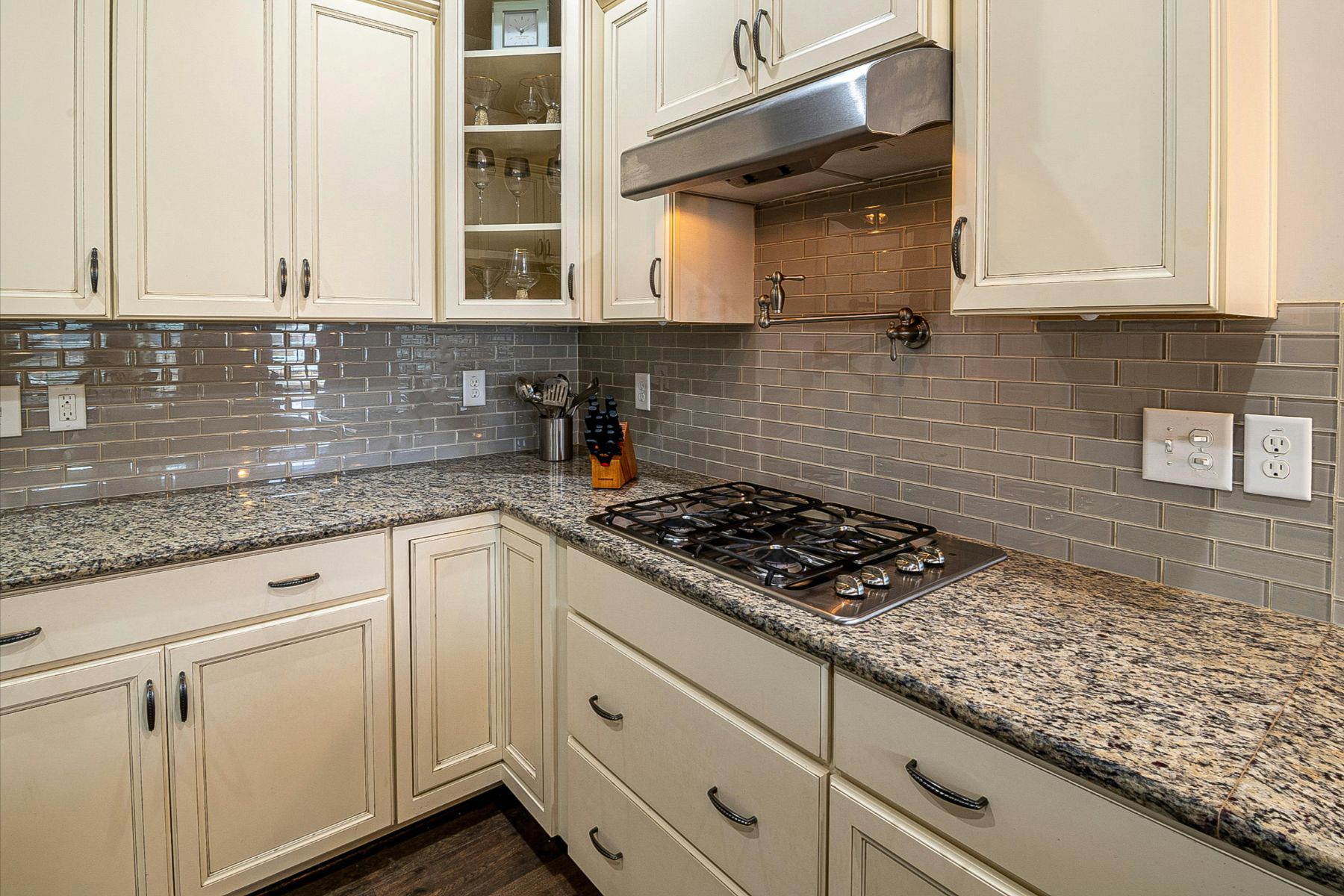
Granite countertops add real beauty to a kitchen or bathroom. They look timeless, feel strong, and instantly make a room feel complete. However, granite is also a natural stone, which means it requires occasional attention. One simple habit can keep it looking great for years: resealing. The good news is that you can test your granite right at home in just a few minutes. No tools. No guesswork. Just a bit of water and a close look.
Many homeowners ask the same question. How do I know when my granite countertops need to be resealed? The answer comes from a few easy tests and a little observation. Let’s walk through what to do, what to look for, and how to protect your investment for the long run.
Why sealing matters for granite countertops
Granite is tough, but it is not indestructible. Its surface contains tiny pores that can absorb liquids over time. When the seal wears down, stains and water marks show up faster. Oils can leave dark spots. Wine, juice, or coffee can seep in and stay there. Even everyday cooking can wear away protection little by little.
A proper seal blocks liquids from settling into the stone. It also helps maintain the shine and smooth feel that people love. If you want your granite to stay bold, rich, and easy to clean, resealing is the key.
The simple water drop test
This is the easiest way to check your granite countertops at home. It takes less than five minutes and works on most granite surfaces.
Here is what to do:
Clean the countertop and dry it completely. Make sure there are no oils, crumbs, or spills.
Place a teaspoon of water directly on the granite.
Watch how the water behaves for the next three to five minutes.
Now look for one of these reactions:
The water stays on the surface: If the droplet keeps its shape and does not darken the granite, your seal is still strong.
The water slowly absorbs: If you see the spot darken after a few minutes, your seal is weakening. You should consider resealing soon.
The water absorbs instantly: If the stone darkens right away, the seal is worn out. Your countertop needs resealing as soon as possible.
The darkening happens because water sinks into the pores of the stone. When the seal is fresh, that does not happen.
The oil test for deeper insight
If you want to go one step further, try a small oil test. Oils penetrate granite faster than water, so this test can reveal deeper wear.
Here is how to test:
Place a few drops of cooking oil on the countertop.
Leave it for ten to fifteen minutes.
Wipe it away and check for any signs of darkening.
If the oil leaves a shadow or stain, the granite seal is weak. If it wipes off without a mark, your seal is doing its job.
I like this test because it mimics real life. Kitchens see oil, grease, and other heavy liquids often. If your countertop can resist oil, it can resist almost anything.
Signs your granite countertops need resealing, even without tests
Sometimes you can spot the problem without doing any tests at all. Look for these everyday clues:
The surface feels slightly rough or seems to lose its shine.
Water rings appear around the sink or faucet.
Spills leave dark marks that take longer than usual to fade.
The surface looks cloudy in certain light.
Areas you use all the time look dull compared to the rest.
Granite tells you what it needs. You just have to pay attention.
How often should granite countertops be resealed?
Many homeowners believe granite must be sealed once a year, but the truth is more flexible. The type of granite, daily habits, and cleaning products all play a role.
Most granite countertops need resealing every one to three years. Lighter, more porous granite may need attention more often. Darker, dense granite may last longer between applications.
Here is a simple rhythm to follow:
Check your granite once every six months.
Reseal as soon as the water test shows absorption.
Do not wait for stains to appear.
A few minutes of testing can save you hours of scrubbing later.
How to keep your seal lasting longer
If you want to stretch the life of your granite seal, a few daily habits can help.
Wipe spills right away.
Use mild cleaners. Harsh chemicals wear down the seal faster.
Avoid dragging metal pots or gritty items on the surface.
Use cutting boards instead of slicing directly on the stone.
Keep heat off the surface when possible. Granite is heat-resistant, but extreme temperature changes can stress the seal.
Consistency does more than anything else. With routine care, granite can last a lifetime.
When to bring in a countertop professional
Testing your granite at home is simple, but resealing still needs the right products and technique. If you see heavy staining, deep discoloration, or uneven surfaces, a professional can restore your granite properly. This includes polishing, deep cleaning, and applying a high-quality seal.
Professionals also spot issues you might miss, like etching, cracks, or worn edges. A quick inspection can prevent a small problem from becoming a major repair.
Your trusted experts on granite countertops in Gig Harbor, WA
Granite countertops are one of the most loved features in homes throughout our area. With simple tests and regular care, you can protect that beauty for years. If you have questions about your countertops or are ready to upgrade your counters, reach out to CS Floors today. We offer a wide selection of top-quality countertops for sale. We serve Gig Harbor, WA, Tacoma, WA, Port Orchard, WA, Olalla, WA, Purdy, WA, Lakebay, WA, Key Center, WA, and Bremerton, WA, from our showroom in Gig Harbor, WA.


