



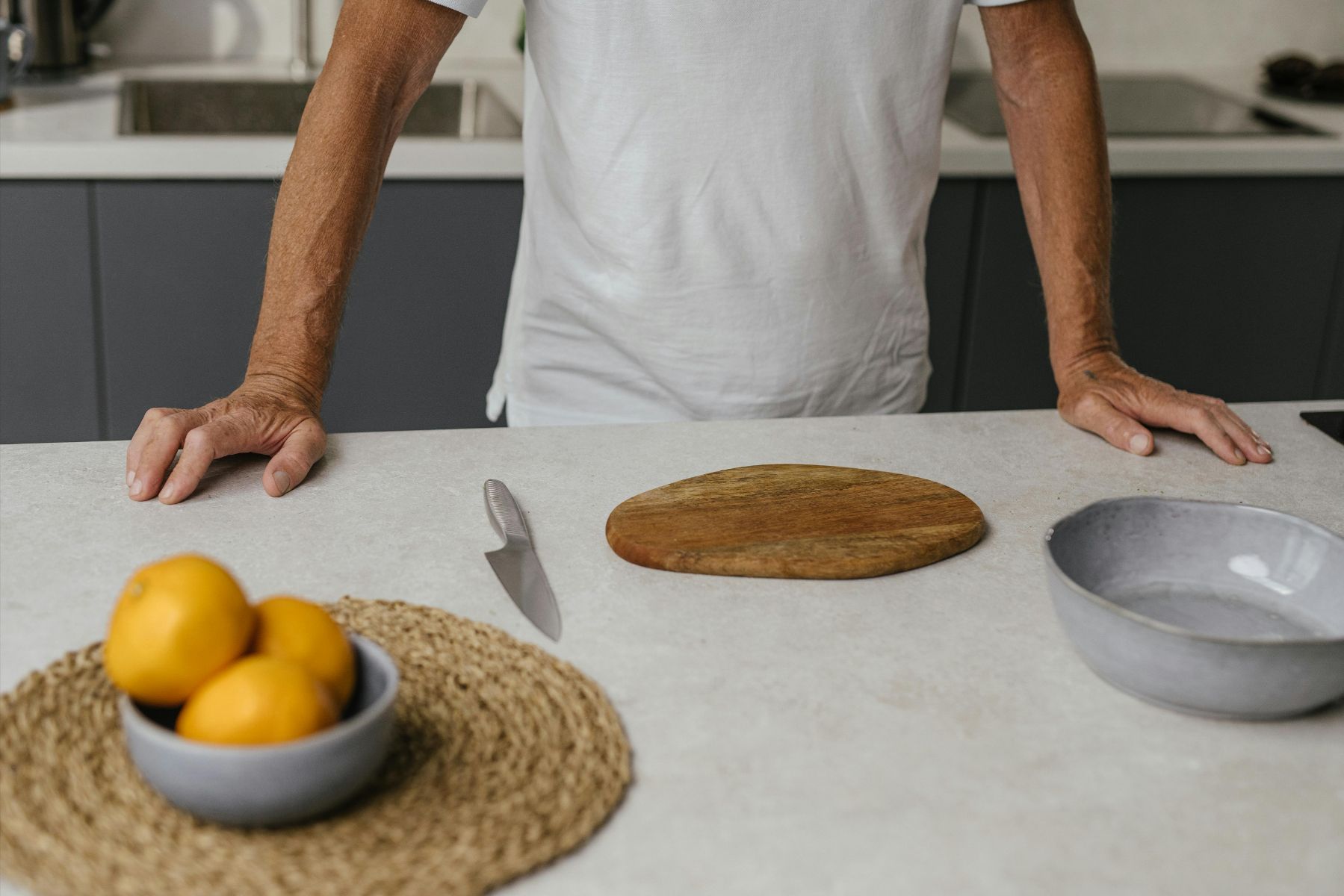
Quartz countertops are known for their elegance, durability, and low maintenance. But like any surface in your kitchen or bathroom, they are still susceptible to stains. Whether it's a splash of red wine, a stubborn grease spot, or a pesky coffee ring, knowing how to remove stains from your quartz countertops will keep them looking as pristine as the day they were installed. In this blog, we'll cover the best methods for dealing with stains on quartz countertops, so you can enjoy their beauty without the stress of worrying about stains.
Understanding quartz countertops
Quartz countertops are made from a blend of natural quartz crystals and resin. The resin is what makes quartz incredibly durable and resistant to stains. However, it’s not entirely immune to damage. Unlike granite or marble, quartz countertops don’t require sealing. However, the resin layer can still absorb liquids or chemicals if left on the surface for an extended period, resulting in stains.
What causes stains on quartz?
Stains on quartz countertops often come from substances like wine, coffee, juice, grease, or food coloring. Even though quartz is resistant to many types of staining, these substances can seep into the surface if they’re not cleaned up quickly. The porous resin can absorb oils or dark-colored liquids over time, leaving behind unsightly marks.
Another common culprit is hard water. If you’re in an area with hard water, mineral deposits can leave streaks or spots on your quartz countertops. These are often mistaken for stains but can be easily cleaned with the right approach.
Quick cleaning tips for minor stains
Before we dive into deeper cleaning methods, it’s important to know that regular maintenance is key to avoiding stubborn stains. A quick wipe-down with a damp cloth after cooking or eating can go a long way in preventing liquids and oils from soaking into your quartz surface.
If you catch a spill right away, just use warm water and a mild dish soap. Wipe the area with a soft cloth or sponge, making sure not to scrub too hard. For light stains, this method is often enough to restore your countertop to its original shine.
How to remove common stains
Let’s look at how to tackle some of the most common stains on quartz countertops.
Coffee and wine stains
Coffee and wine are notorious for leaving stains on kitchen countertops. If you have a coffee stain that refuses to budge, you’ll need a more targeted approach. Mix a small amount of dish soap with warm water and apply it to the stain. Use a soft cloth to scrub in circular motions gently. For tougher spots, you can create a paste using baking soda and water. Apply the paste to the stain, cover it with plastic wrap, and leave it for a few hours. Once the paste has dried, gently wipe it away with a damp cloth. This should lift most of the stain.
For red wine, act fast. Quickly blot up the liquid with a clean paper towel or cloth, then clean the area with warm, soapy water. If the stain persists, follow the same steps as you would for coffee stains.
Oil and grease stains
Grease and oil are often the trickiest to remove. Over time, cooking oils and grease can seep into the quartz surface, leaving behind a greasy residue. To clean it up, use a non-abrasive cleaner that is safe for quartz, or try a mixture of warm water and dish soap. You can also use a special quartz cleaner designed to break down oil-based stains. Apply the cleaner to the stain, let it sit for a few minutes, then wipe it away with a microfiber cloth. If the stain remains, repeat the process.
Hard water stains
Hard water stains occur when mineral deposits from water are left on your quartz countertops. These can appear as spots or streaks, especially in areas where water regularly sits, like near faucets. To remove them, mix equal parts vinegar and water in a spray bottle. Spray the solution directly onto the affected area, then wipe it away with a clean cloth. Avoid using undiluted vinegar, as it can damage the resin over time.
If vinegar isn’t enough to do the trick, you can use a specialized hard water cleaner. Just make sure to follow the instructions on the label to prevent damage to the quartz.
How to prevent future stains
While quartz countertops are durable, prevention is always better than a cure. Here are a few tips to keep stains at bay:
Clean up spills immediately: The quicker you can wipe up liquids, the less chance they have to seep into the surface.
Use coasters and placemats: When serving drinks or meals, protect your kitchen countertops with coasters or placemats to prevent staining.
Avoid harsh chemicals: Stay away from abrasive cleaners, bleach, and ammonia. These can break down the resin layer and make your countertop more susceptible to stains.
Use a cutting board: Always use a cutting board when chopping food to avoid knife marks and stains from food juices.
When to call a countertop professional
If you’ve tried everything and still can’t get rid of the stain, or if you notice discoloration that seems to be spreading, it might be time to call in a professional. Some stains can be too deep for home remedies, and professionals have access to specialized cleaning products and techniques that can restore your countertops.
Your trusted experts on countertops in Gig Harbor, WA
Quartz countertops are an investment in both beauty and functionality, and with proper care, they can remain flawless for years. By understanding what causes stains and how to remove them, you can ensure your countertops stay pristine. From simple cleaning methods to tackling more stubborn marks, these tips will help you maintain your quartz countertops like a pro. If you have any questions about your countertops or are looking to upgrade your counters, reach out to CS Floors today. Our showroom in Gig Harbor, WA, serves Gig Harbor, WA, Tacoma, WA, Port Orchard, WA, Olalla, WA, Purdy, WA, Lakebay, WA, Key Center, WA, and Bremerton, WA.


