



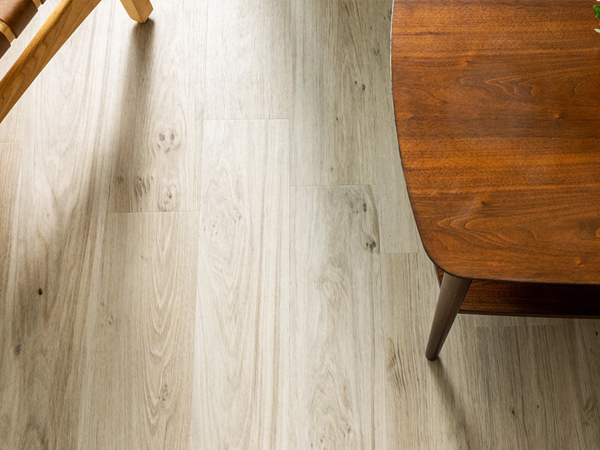
Laminate flooring often gets chosen for its look and practicality, but what sits beneath the surface plays a major role in how it performs. The core layer is the backbone of every laminate plank, influencing durability, moisture resistance, and long-term stability.
In homes across Gig Harbor and Bainbridge Island, understanding the difference between core types can help avoid issues later. At CS Floors, exploring the right laminate flooring options includes looking beyond the surface design and focusing on what supports it from within.
How the core layer shapes performance
The core of laminate flooring is typically made from compressed wood fibers. This layer determines how strong the plank is, how well it resists moisture, and how it reacts to daily wear.
Why density matters in laminate flooring
Higher density cores tend to be stronger and more stable. They handle foot traffic better and are less likely to dent or shift over time.
Lower density cores can still perform well in certain spaces, but they may not offer the same level of resistance to pressure and impact.
HDF cores built for strength and stability
High-density fiberboard, commonly known as HDF, is the most widely used core type in modern laminate flooring.
What sets HDF apart
HDF is made by compressing wood fibers under high pressure, creating a dense and durable core. This construction helps planks maintain their shape even under heavy use.
It also allows for tighter locking systems between planks, which improves overall floor stability.
Where HDF performs best
HDF core laminate is a strong choice for living rooms, hallways, and other high-traffic areas. It provides reliable support and helps the floor maintain a consistent look over time.
When paired with professional flooring installation services, HDF laminate can deliver long-lasting performance with minimal movement between planks.
MDF cores as a lighter alternative
Medium-density fiberboard, or MDF, offers a different balance of performance and structure. It is less dense than HDF and typically used in more budget-conscious or lower-traffic applications.
How MDF differs in feel and performance
MDF cores are softer and lighter compared to HDF. This can make them easier to cut and install, but it also means they may be more prone to dents under heavy furniture or frequent use.
They can still work well in bedrooms or low-traffic spaces where impact resistance is less of a concern.
Where MDF can be a practical fit
For areas with lighter use, MDF laminate can provide a comfortable and visually appealing floor. It is often selected when flexibility and cost are part of the decision.
However, it is important to match the core type with the demands of the space to avoid premature wear.
Moisture resistance and core selection
One of the biggest differences between HDF and MDF cores comes down to how they handle moisture.
How core density affects moisture response
HDF cores are generally more resistant to moisture due to their tighter structure. While laminate is not waterproof by default, HDF can better withstand minor spills when addressed quickly.
MDF cores are more absorbent, which can lead to swelling if exposed to moisture for extended periods.
Exploring options like waterproof laminate flooring solutions can add another layer of protection in kitchens, entryways, or other moisture-prone areas.
Key things to remember when choosing a laminate core
Choosing between HDF and MDF is not just about preference. It is about matching the core to the way the space is used.
- Prioritize HDF cores for high-traffic areas where durability matters most
- Use MDF cores in low-traffic spaces where heavy impact is less likely
- Consider moisture exposure when selecting core type, especially in kitchens and entryways
- Pair the core type with the right underlayment and installation method
- Think long-term about furniture placement and daily use patterns
Matching laminate construction to real-life use
Laminate flooring is not one-size-fits-all. The right core type depends on how the space functions, how much traffic it sees, and how much moisture it may encounter.
Balancing durability and comfort
HDF offers strength and stability, while MDF provides a lighter and more flexible option. The best choice depends on whether the priority is long-term durability or lighter use with added comfort.
Making informed flooring decisions
Understanding the core structure helps avoid surprises after installation. It ensures the flooring performs as expected and continues to look consistent over time.
Get guidance on choosing the right laminate core
Finding the right laminate flooring starts with understanding how it will be used day to day. For help comparing core types and selecting the right fit for your home, connect with our team through our contact page and take the next step with confidence.


