



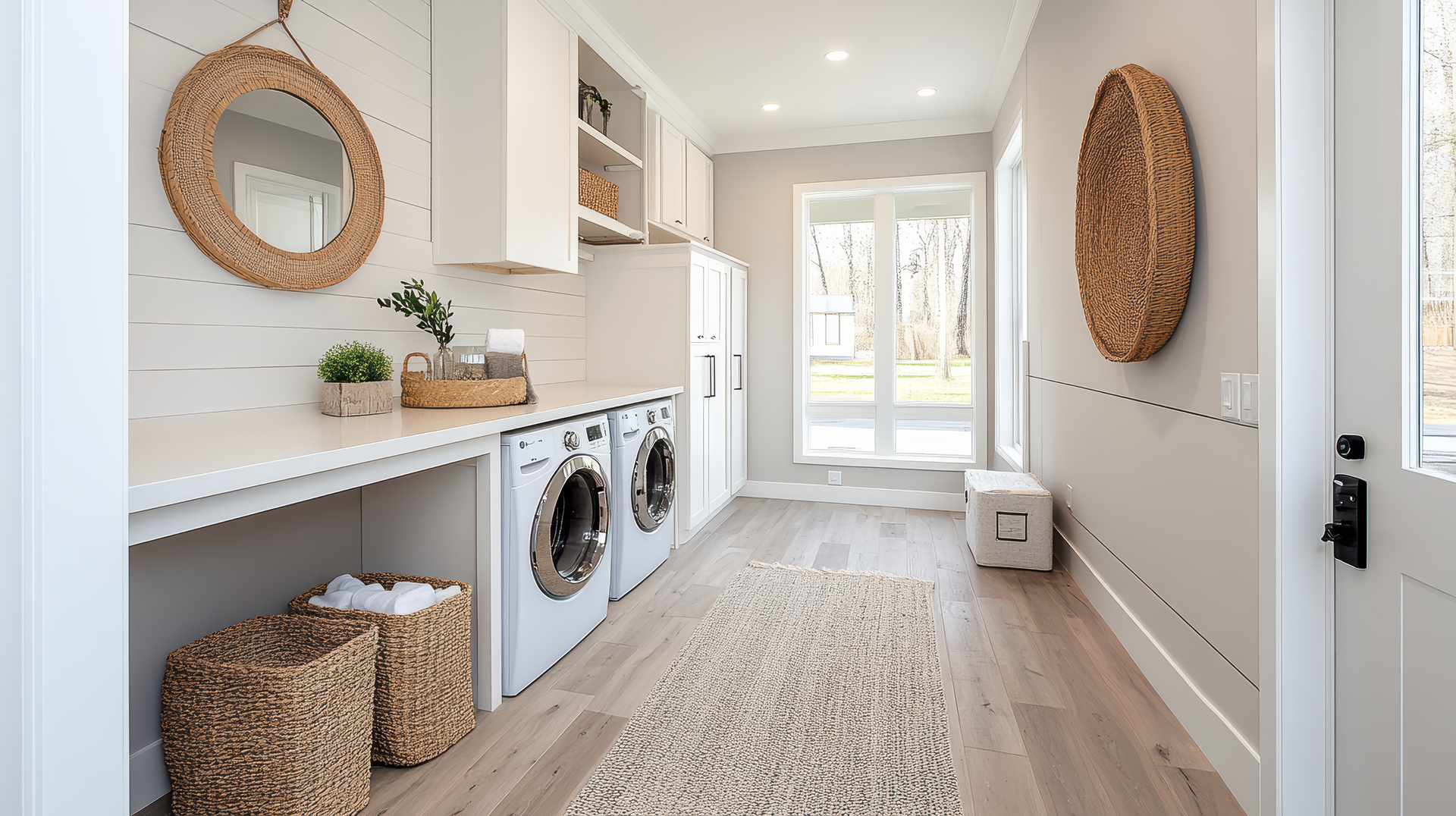
Spills happen. A dropped glass in the kitchen. Wet boots by the entry. A pet bowl tipped over when no one is looking. In busy households throughout Gig Harbor and Bainbridge Island, moisture is part of everyday life. That’s why many homeowners start asking an important question when shopping for new floors: What is the difference between waterproof laminate and water resistant laminate?
At first glance, the two may sound nearly identical. Both are designed to handle moisture better than traditional laminate flooring. But the way they are built and the level of protection they offer can vary significantly. Understanding those differences helps ensure the right flooring choice for the way a home is actually used.
How traditional laminate handles moisture
Classic laminate flooring features a high density fiberboard core. While durable and stable in dry environments, that core can swell if exposed to standing water for extended periods. Minor spills wiped up quickly are rarely an issue. However, prolonged exposure can cause edge swelling or surface damage.
This is where modern moisture enhanced laminate flooring options enter the picture.
Water resistant laminate explained
Designed for everyday spills
Water resistant laminate is engineered to slow down moisture penetration. It often includes tighter locking systems, surface coatings, and edge sealants that help repel water.
In practical terms, this means small spills and light moisture can sit on the surface for a limited amount of time without immediate damage. Homeowners still need to clean up promptly, but there is more forgiveness compared to older laminate products.
Water resistant laminate is typically well suited for living rooms, bedrooms, and hallways where occasional spills may occur but standing water is unlikely.
Waterproof laminate explained
Built for higher moisture environments
Waterproof laminate goes a step further. In addition to a protective surface layer, it often features a specially treated or modified core designed to resist swelling even when exposed to moisture for longer periods.
Some waterproof laminate products can handle surface water for many hours without damage, provided it does not seep underneath the planks. This makes it a strong contender for kitchens, entryways, and even certain basements where moisture risk is higher.
The locking systems on waterproof laminate are also typically reinforced to prevent water from penetrating between boards.
Core construction makes the difference
The biggest distinction between water resistant and waterproof laminate lies in the core.
Water resistant options rely mainly on surface protection and tight seams. Waterproof laminate incorporates additional internal protection within the core itself. That structural difference directly impacts how long the floor can tolerate moisture before swelling occurs.
It is important to remember that even waterproof laminate is not designed to withstand flooding or continuous water exposure. It resists moisture, but it is not intended for use in showers or areas with constant standing water.
Comparing laminate to other moisture friendly floors
Homeowners often compare laminate to luxury vinyl when moisture is a primary concern. Waterproof laminate provides a more rigid, wood like feel underfoot, while vinyl offers flexible construction and complete water resistance.
For those who love the look and texture of wood visuals but want improved moisture performance over traditional laminate, exploring modern laminate flooring information can provide a satisfying balance of style and protection.
Where each option works best
Water resistant laminate is ideal for
Family rooms
Bedrooms
Dining areas
Home offices
Waterproof laminate is better suited for
Kitchens
Mudrooms
Entryways
Lower levels with occasional dampness
The right choice depends on the room’s exposure to moisture and the level of daily activity.
Installation and maintenance considerations
Proper installation plays a critical role in moisture performance. Ensuring the subfloor is dry, level, and properly prepared reduces the risk of water infiltration from below. Using recommended underlayment and following manufacturer guidelines also protects the long term durability of the floor.
Routine maintenance remains simple. Spills should be wiped up promptly, and excessive wet mopping should be avoided. Even with waterproof laminate, preventative care supports lasting performance.
Choosing the right level of protection for the space
Some rooms demand extra protection. Others simply need a floor that handles everyday life with ease. The difference between water resistant and waterproof laminate becomes clear when matched to how the home is truly used.
Stop by our Gig Harbor or Bainbridge Island showroom to see waterproof and water resistant laminate samples side by side, and let’s talk through which option fits the way your home actually functions. Our team at CS Floors is here to help make that decision feel simple and confident — connect with us directly through our contact page.


